
PhilDIGITS
Data Innovation for Governance, Inclusion, Transparency, and Sustainability.
The Phillipines' first integrated, longitudinal, and publicly accessible electoral data platform. Explore over three decades of election results, political dynasties, and local governance indicators in one open resource.
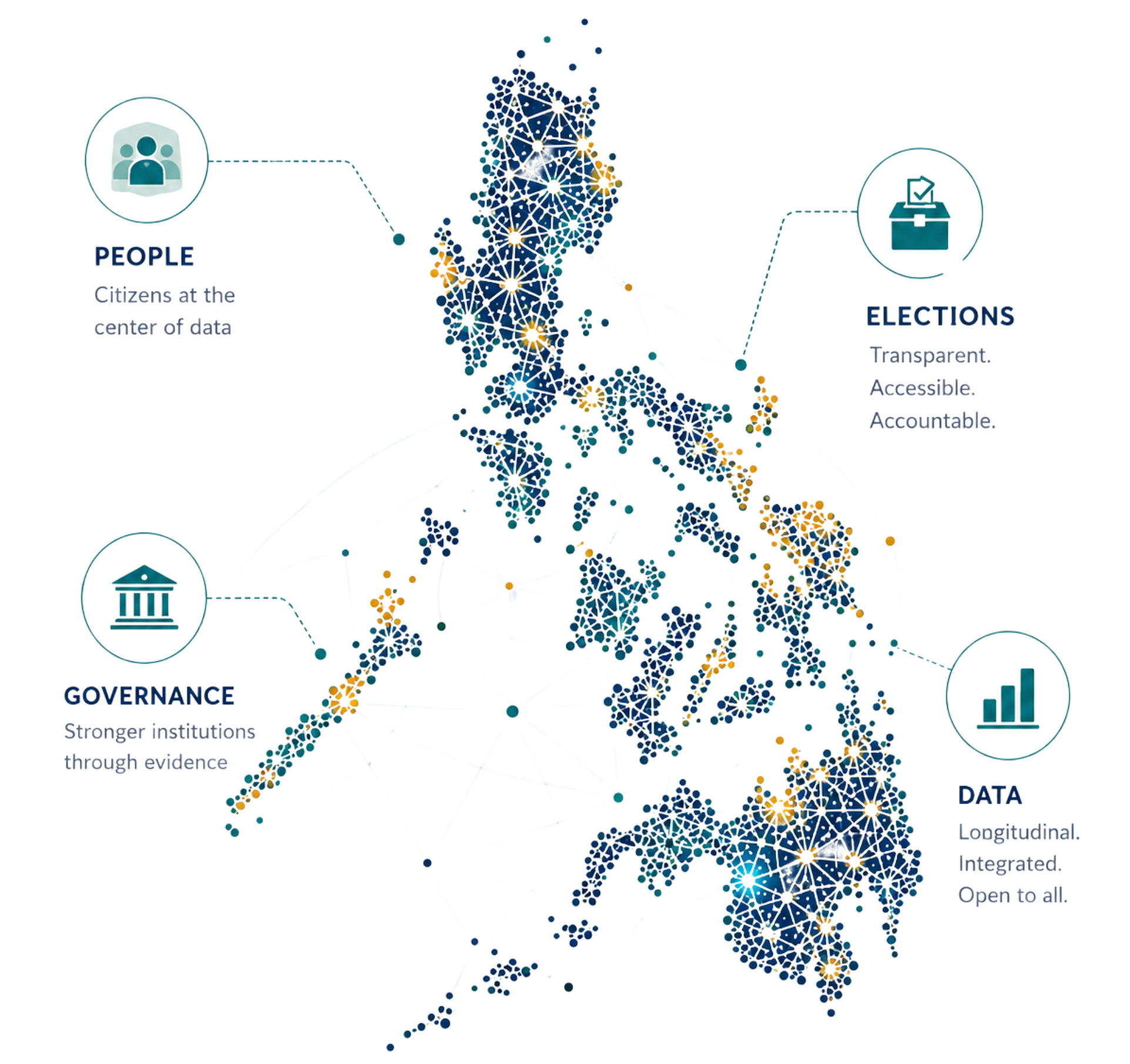
What is DIGITS?
- PhilDIGITS is the first integrated, longitudinal, and publicly accessible electoral data platform in the Philippines.
- It brings together more than three decades of election results, from 1992 to 2025, and links them with municipal and local government indicators.
- At its core is the Dynasty Index — an empirical measure of how deep, persistent, and entrenched political dynasties are across the country.
- The platform turns government records into a single, living public resource.
Why it matters
- Election and governance data already exist — but they are inaccessible, and difficult to use. PhilDIGITS changes that.
- From fragmented records to one public resource, decades of results, kinship, and local indicators, cleaned and connected in one place.
- Not just numbers, but tools to understand who holds power, where, and for how long.
- Citizens checking their leaders, journalists investigating power, researchers testing theories, and policymakers weighing reform.
Data Driven
All visuals and insights are grounded in evidence.
Public & Nonpartisan
We serve the public interest, not political sides.
Open & Accessible
Transparent methods. Open data. Free for everyone.
Accountable & Ethical
We follow the highest standards in data and ethics.
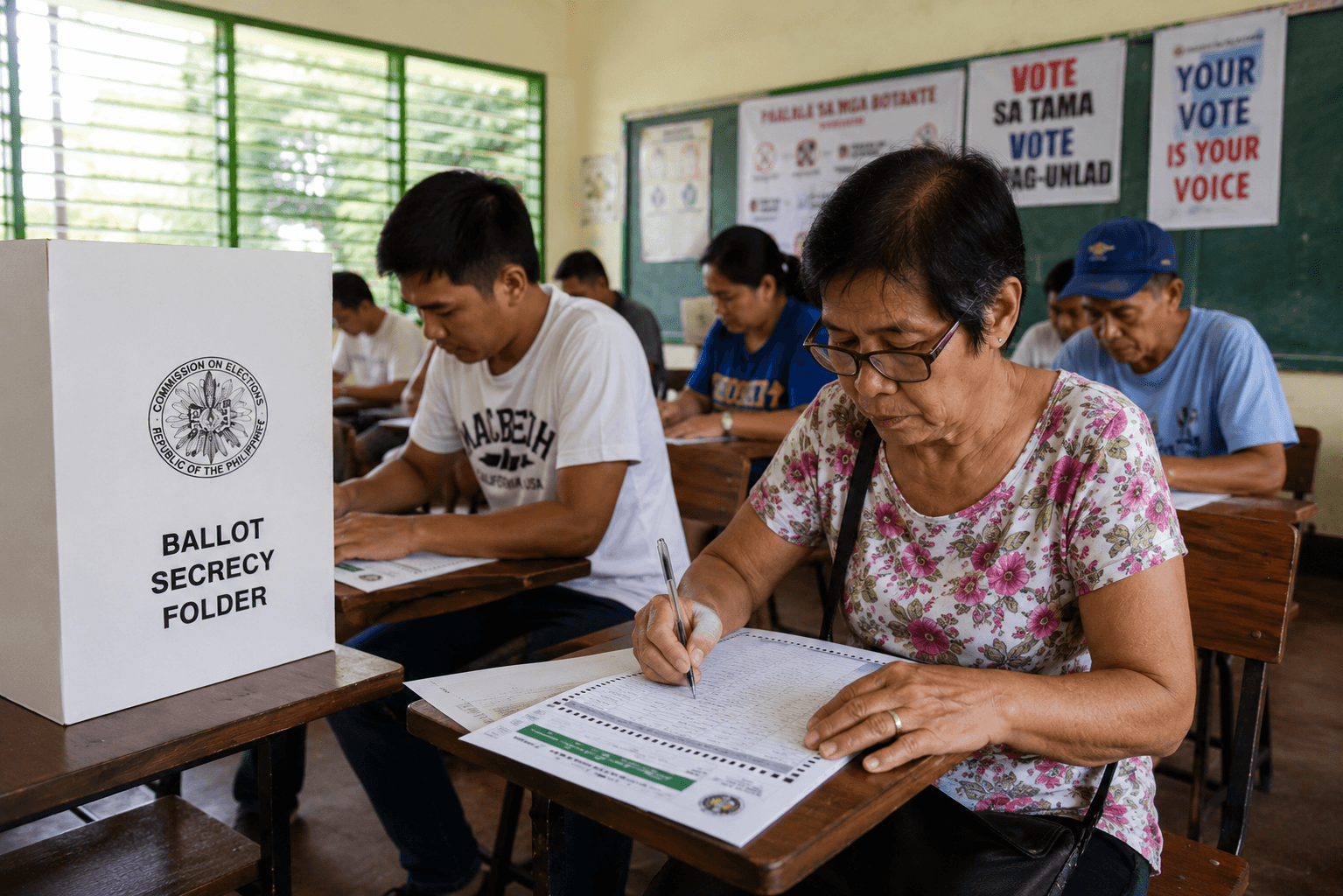
Behind every data point is a voter.
Elections shape the future of our communities. DIGITS connects election data to the lives of millions of Filipinos.
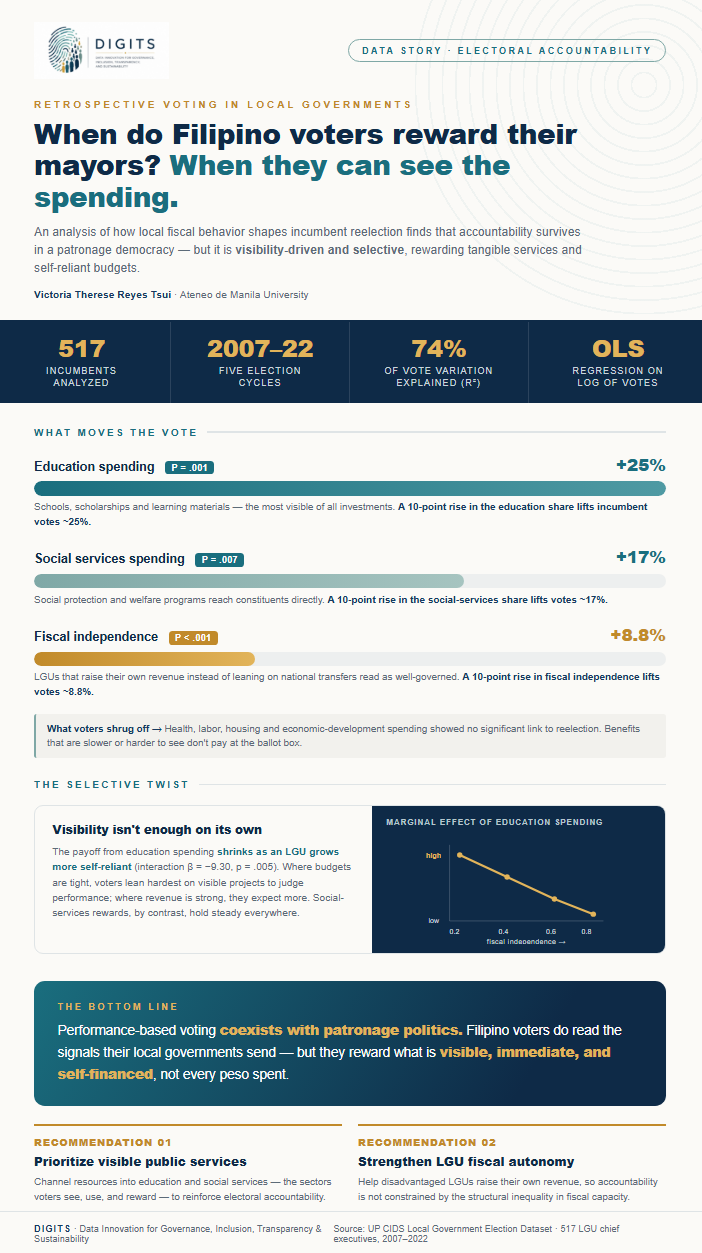
Voter Responsiveness in Philippine Local Governments: The Electoral Effects of Fiscal Behavior on Incumbent Reelection
Filipino voters are often assumed to be swayed by "ayuda" and dynastic ties, not governance. Yet an analysis of 517 local incumbents shows that accountability survives even in a patronage democracy — voters reward visible, tangible spending on education and social services, proving that performance still wins votes when people can see where the money goes.
News & Updates
Stay updated
University of Michigan and University of the Philippines-Diliman

